

Community Co-Benefits in Afforestation and Reforestation Carbon Projects
Market Insights | Apr/22/2026
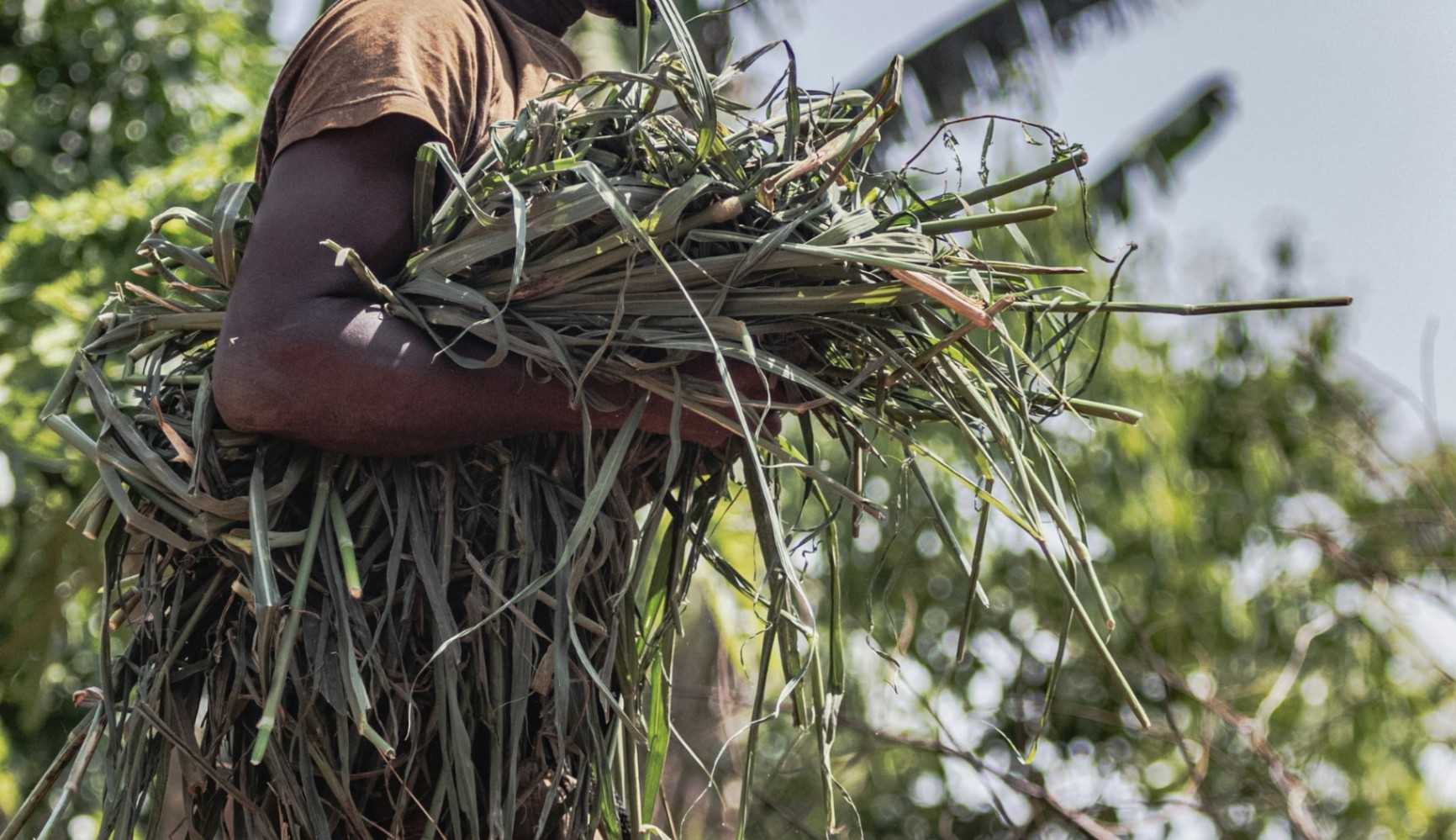
Why Social Impact Matters in Afforestation and Reforestation Projects
Afforestation and reforestation (A/R) carbon projects are often framed around carbon removal, but in practice they change how land is used and who can use it. In many cases, land that was previously used for grazing, farming, or fuel collection is managed differently, which directly affects the people relying on it. These changes are not short-term and can shape local dynamics for decades.
For corporate buyers, this matters in two ways. Strong community outcomes can make projects more attractive, especially for companies that want to show broader environmental and social impact alongside carbon removal. At the same time, these social dynamics influence whether a project can operate as planned. If land rights are unclear or communities are not properly involved, projects can face disputes, delays, or limitations that affect credit delivery and long-term performance.
This is why social factors are becoming part of how projects are evaluated. Community and social co-benefits are increasingly treated as part of overall project quality. They affect how projects are positioned externally and how reliably they can deliver expected carbon results over time.
What Community Co-Benefits Mean
The term “co-benefits” is widely used in carbon markets, but it often remains vague. In practice, community and social co-benefits refer to tangible changes in how people live, work, and participate in local economies and decision-making processes.
In well-designed afforestation and reforestation projects, these outcomes typically show up in a few key areas:
- Livelihoods:
Changes in land use can introduce more stable and diversified systems, such as agroforestry, helping reduce exposure to climate risks. - Income:
Projects may create additional revenue through carbon payments or community funds, depending on how benefit-sharing is structured. - Governance:
Some projects contribute to clearer land-use rules, stronger local institutions, and, in certain cases, recognition of customary land rights. - Inclusion:
Higher-quality projects involve women and marginalized groups in decision-making and create ways for benefits to reach them directly.
Not all projects deliver these outcomes equally. The presence and quality of social co-benefits depend on project design, governance, and long-term engagement with communities.
Why Afforestation and Reforestation Projects Are Socially Complex
Afforestation and reforestation projects are inherently tied to land, which makes them socially complex from the start. Changing how land is used often means changing how people access resources such as grazing areas, fuelwood, or farmland. These shifts can have both immediate and long-term implications for livelihoods.
Land tenure is one of the most sensitive aspects. In many regions, land ownership is not always formally documented, and multiple groups may have overlapping or customary claims. When projects move forward without fully understanding these dynamics, they can unintentionally escalate disputes or create new ones.
The long duration of A/R projects amplifies these risks. Forest restoration takes time, and project commitments often extend over decades. This means that any imbalance in access, participation, or benefit sharing can persist and become harder to resolve if not addressed early.
This is why social integrity is not something that can be assessed once and set aside. It depends on how the project is designed at the start and how relationships, agreements, and outcomes are managed over time.
What Strong Social Design Looks Like in A/R Projects
Land and Resource Rights
Clear land and resource rights are the foundation of any credible afforestation and reforestation project. Projects should identify who holds rights to land and resources, whether statutory or customary, and make any disputes visible rather than leaving them unclear.
In practice, this means having documented agreements with rights holders and a clear record of how conflicts are being addressed. Without this, land-use changes can trigger disputes that affect how the project operates over time.
Community Participation and Consent
Participation needs to be structured and continuous, not limited to early-stage discussions. Communities should be involved at key decision points, with enough information and time to understand what is changing and how it affects them.
Where Indigenous Peoples or customary rights holders are involved, Free, Prior and Informed Consent (FPIC) is often used as a benchmark. This means decisions are made based on accessible information, with the ability to agree or refuse at defined stages.
Benefit Sharing
Benefit sharing is one of the most visible parts of a project, but also one of the most inconsistent. General statements about “community benefits” are not enough without clear structure behind them.
Stronger projects define:
- who receives benefits
- what form they take
- when they are delivered
- how decisions are made
These details are usually supported by payment records or community fund documentation, making it possible to trace how value is distributed in practice.
Grievance Mechanisms
Projects rarely run without issues. What matters is whether concerns can be raised and addressed early.
Grievance mechanisms provide a formal way for community members and workers to report problems and request resolution. To be effective, they need to be accessible, used in practice, and able to respond within a reasonable timeframe. Without this, smaller issues can develop into larger disputes.
Common Social Risks in Afforestation and Reforestation Projects
Even projects developed with good intentions can create unintended social risks. These risks are recurring across different regions and project types. These risks can also affect how community co-benefits are delivered in practice.
Some of the most common risks include:
- Land and resource disputes, especially where tenure is unclear or contested
- Limited or superficial consultation, where engagement is restricted to a small group or happens too late to influence decisions
- Unclear or uneven benefit sharing, leading to dissatisfaction or perceptions of unfairness
- Gender and inequality risks, where benefits are captured by specific groups
- Restrictions on livelihoods, such as reduced access to land or resources
These risks are not always visible at the surface level. They often emerge over time, particularly when project documentation does not reflect how things work in practice.
Recognizing these patterns helps shift the focus beyond expected benefits toward a more complete view of how a project actually operates.
How Standards Address Social Impact in A/R Projects
Standards are often the starting point for evaluating afforestation and reforestation projects, but they are not all designed to assess social impact in the same way.
Frameworks such as Verra and Gold Standard Foundation include requirements for stakeholder engagement and reporting. However, their primary focus is on carbon accounting and project processes, which means social safeguards can vary in depth across projects.
Some projects apply additional frameworks that focus more directly on community outcomes. These frameworks are often used to validate co-benefits alongside carbon outcomes. Approaches like those from Plan Vivo Foundation place greater emphasis on community participation, benefit sharing, and long-term involvement in project design and implementation.
These differences make direct comparisons less straightforward. Two projects may both be certified, but operate under very different expectations when it comes to social impact.
Certification also does not remove the need for further review. Social risks related to land, participation, and benefit distribution are often assessed in more detail through additional due diligence, using broader reference points beyond the standard itself.
How to Evaluate Social Impact in A/R Projects
Evaluating social impact goes beyond general claims about community co-benefits. The key question is whether a project can clearly show how these outcomes are defined, delivered, and tracked over time.
A few elements help show how clearly this is defined and managed:
- Social baseline and context
A clear view of who is affected, how land is used, and what conditions exist before the project begins - Theory of change
An explanation of how project activities are expected to lead to specific social outcomes - Indicators and monitoring systems
Metrics that track changes in livelihoods, participation, and wellbeing over time - Benefit-sharing flows
Defined rules and supporting evidence showing how value is distributed - Grievance system evidence
Records of complaints, resolution timelines, and how issues are handled
Some projects also provide simplified social performance summaries alongside full documentation. These can make comparisons easier, especially when reporting formats differ across standards.
How Social Impact Fits into Corporate Climate Strategy
For companies, afforestation and reforestation carbon credits are typically part of a broader climate strategy. Social impact and co-benefits play a role in how these credits are positioned and evaluated internally.
A/R projects can complement internal emission reductions by addressing residual emissions that cannot be eliminated. They are often used within broader frameworks such as beyond value chain mitigation, where companies support climate action outside their direct operations.
At the same time, social outcomes contribute to the credibility of climate claims. Stakeholders increasingly expect companies to demonstrate that their carbon strategies consider both environmental and social dimensions. This makes project selection more closely linked to overall ESG and sustainability positioning.
Key Takeaways for Buyers
Community and social co-benefits in afforestation and reforestation projects is not automatic. It depends on how projects are designed, implemented, and monitored over time.
A few principles are becoming increasingly clear:
- Social safeguards are a core part of project quality, not an add-on
- Stronger design and transparency reduce both operational and reputational risk
- Benefit-sharing clarity matters as much as the existence of benefits
- Grievance systems are a key signal of accountability
- Due diligence takes time, especially in complex land and community contexts
These factors are becoming part of how buyers compare projects across markets.
Conclusion
Afforestation and reforestation projects differ widely in how they are structured and managed. Looking beyond carbon to understand social design and on-the-ground dynamics is becoming part of identifying higher-quality credits. As this level of evaluation becomes more common, buyers are placing greater focus on transparency, consistency, and long-term performance.
CnerG helps buyers compare projects across markets, assess key quality factors, and identify options aligned with their climate strategy.
Summary
Why Social Impact Matters in Afforestation and Reforestation Projects
What Community Co-Benefits Mean
Why Afforestation and Reforestation Projects Are Socially Complex
What Strong Social Design Looks Like in A/R Projects
Common Social Risks in Afforestation and Reforestation Projects
How Standards Address Social Impact in A/R Projects
How to Evaluate Social Impact in A/R Projects
How Social Impact Fits into Corporate Climate Strategy
Key Takeaways for Buyers
Conclusion
Related Content



Take Control of Your Emissions Today!
Take Control of Your Emissions and Sustainability Strategy